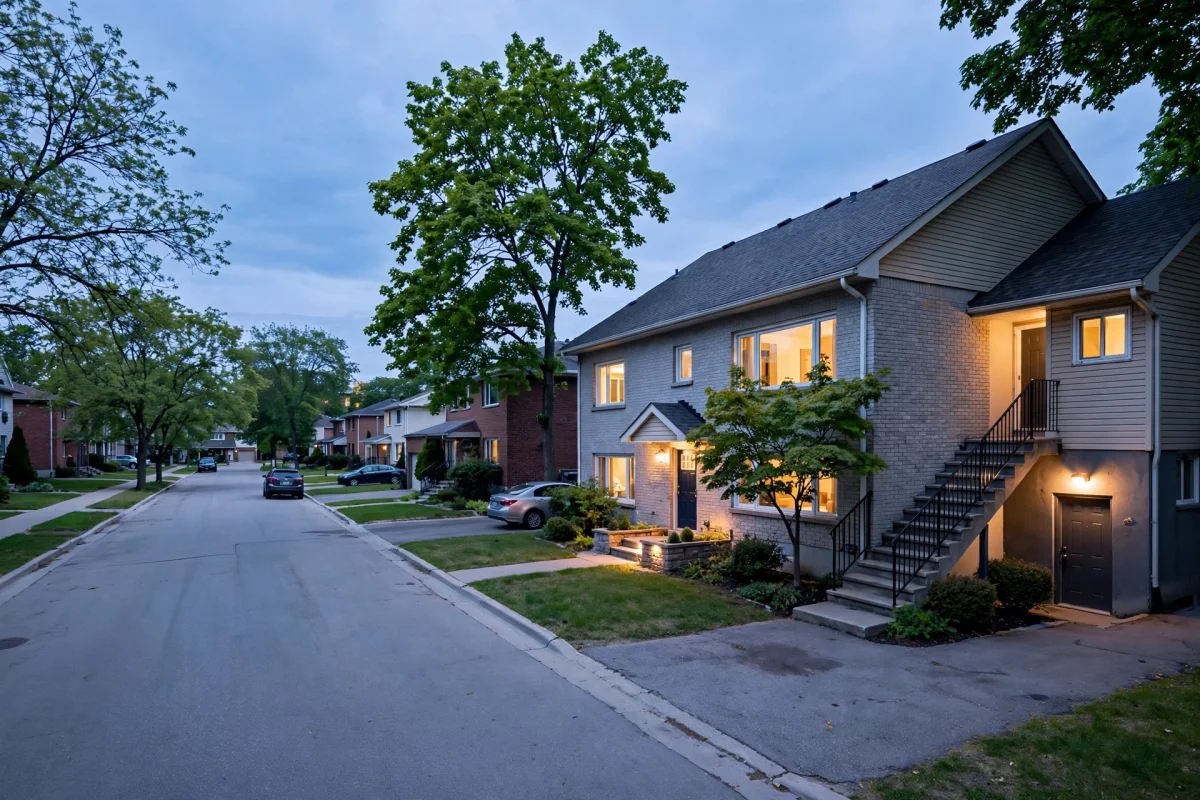
A Brampton landlord opened his banking app on the 5th of the month and the rent still wasn't there. He waited two weeks hoping it would sort itself out. It didn't, and by the time he started the legal process he was already two months out of pocket.
This is happening more often right now. CBC reported on October 7, 2026 that non-payment eviction applications are on the rise in Ontario, and that organizations across the GTA that help people pay rent say demand for support is at an all-time high. Affordability and job security are the reasons they hear most for people falling into arrears. CBC
If a tenant stops paying, Ontario has a defined process, and landlords who follow it step by step come out far better than those who improvise. Here is how it works.
Why arrears are climbing even as rents soften
Rents have actually been falling. Toronto's average asking rent was $2,623 in the second quarter of 2026, down 5% from a year earlier, according to SingleKey's rental intelligence report. Business Wire
The same report found that income growth, not the rent price, now determines who can afford housing. Single renters spend 40% of their after-tax income on rent, well above the national household average of 28.1%. Cheaper rent doesn't help if the paycheck shrinks or the job disappears. The arrears pipeline starts with lost hours and job insecurity, not with rent levels.
Step 1: Serve the N4, and serve it correctly
The N4, Notice to End a Tenancy Early for Non-payment of Rent, is the mandatory first step. It is not an eviction order. It gives the tenant a deadline to pay everything owed or move out.
- When: the earliest you can serve it is the day after the rent due date. Rent due on the 1st, not paid? The N4 goes out on the 2nd.
- The clock: the tenant gets 7 calendar days to pay in full. (Bill 60 cut this from 14 days in September 2026 — if you're working from an old guide that says 14, it's out of date.)
- The escape hatch: if the tenant pays every dollar owed before the termination date, the N4 is void. The tenancy continues and you cannot file anything further.
- Getting it wrong: the rent figure has to be exact. Wrong tenant names, a wrong amount, or a bad termination date are among the most common reasons landlords lose at the Board. Only rent goes on the N4, not other charges, and the arrears table must show each period, the lawful rent, and what was paid. Tenants' guide to Form N4
Posting the notice on the door is not valid service. Hand it over, put it in the mailbox, slide it under the door, or send it by fax, courier, or mail, and keep proof of service.
Step 2: File the L1 with the Landlord and Tenant Board
If the termination date passes and the rent is still unpaid, you can apply to the Board the next day. Form L1 is the Application to Evict a Tenant for Non-payment of Rent and to Collect Rent Owed. File it with a copy of the N4 and a Certificate of Service, most easily through the LTB's online e-filing system. Complete N4-to-L1 guide
At the hearing, both sides present evidence, and under section 83 of the Residential Tenancies Act the Board can refuse an eviction or delay it even when arrears are proven. Only the Board's order ends the tenancy, and only the Sheriff can enforce a lockout. Changing the locks or shutting off utilities yourself is illegal no matter how far behind the rent is. Residential Tenancies Act
What landlords usually get wrong
Waiting too long. The process takes months from N4 to hearing. The N4 should go out on the second day of a missed payment, not the second month.
Charging late fees. Ontario landlords cannot charge late fees or interest on unpaid rent. Keep that off the N4 and off your ledger entirely.
Sloppy records. At the hearing your ledger is your case. Bank statements, e-transfer confirmations, and the arrears table have to agree with each other.
Taking a security deposit for protection. Security deposits are illegal in Ontario. The only deposit a landlord can take is one month's rent applied to the last month of the tenancy.
What actually protects you
The landlords who survive arrears waves do three things. They act on day two, because the process is long and delay is lost money. They keep immaculate payment records, because at the LTB the ledger is the whole argument. And they screen harder on income before signing, because the data says affordability is now an income story.
Tenant screening, rent receipts, and a verifiable payment history are not bureaucracy. They are proof. Proof protects the good landlord at the Board, and it protects the good tenant when the next landlord checks their record. When arrears are rising across the province, proof is the only thing both sides can lean on.
A note for tenants reading this
If you receive an N4, pay everything owed before the termination date and the notice dies. Talk to your landlord early with a concrete plan, get receipts for every payment, and reach out to a local rent bank or community legal clinic before the arrears grow.
Sources: CBC, Oct 7 2026; SingleKey Q2 2026 Rental Intelligence Report via Business Wire; Residential Tenancies Act, 2006; Form N4 explainer; N4-to-L1 landlord guide.